How to Cleanse and Recharge Your Crystal Jewellery: A Monthly Ritual
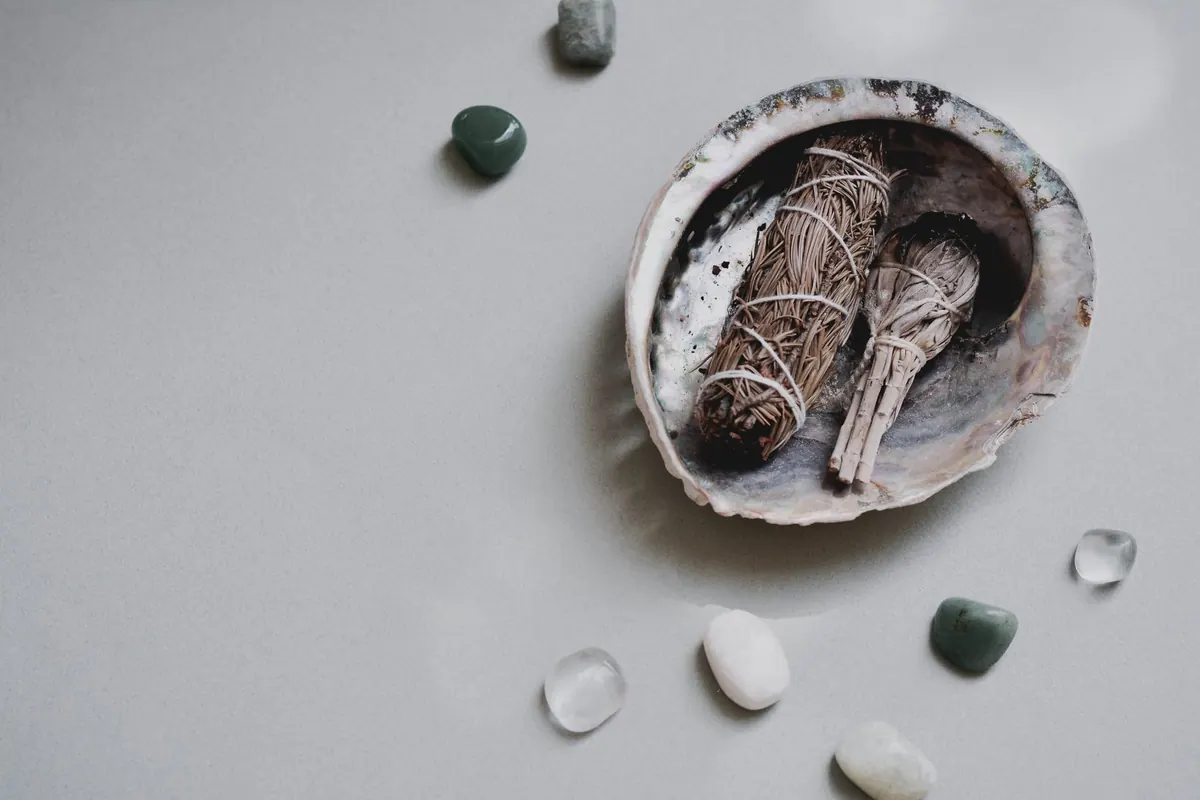
Crystal jewellery takes a beating in the nicest possible way. A rose quartz pendant sits against your skin through hot days and cold ones. A labradorite ring catches door handles. An amethyst bracelet spends the week absorbing hand cream, sunscreen, rain and the general mood of your days.
A monthly cleanse does two jobs: it keeps the stone, the metal and the cord in good condition, and it gives you a quiet twenty minutes to reset your relationship with the piece. Pick a date you'll actually remember — the first Sunday, the new moon, the full moon — and work through the steps below.
Why once a month is enough
More is not better here. Repeated soaking loosens glue, dulls plated finishes and can leave water trapped behind a setting. Salt, used often, scratches surfaces and corrodes metal. If a piece feels grubby a week after its ritual, wipe it with a dry cloth and wait for the next slot.
Consistency matters more than drama. A short, regular practice keeps you noticing things — a loose claw, a fraying cord, a stone that has turned cloudy — before they turn into a repair bill.
Before you begin: know what you are handling
Sort your pieces into groups before anything near them gets wet. Hardness is the useful guide: quartz sits at 7 on the Mohs scale, which is a sensible benchmark. Anything noticeably softer, or porous, needs a gentler approach.
- Fine with a brief wash: clear quartz, amethyst, citrine, rose quartz, smoky quartz, jasper, agate, obsidian, garnet.
- Keep dry: opal, pearl, amber, malachite, turquoise, lapis lazuli, fluorite, selenite, howlite, rhodochrosite. These are soft, porous, or both.
- Never soak: anything strung on elastic or thread, plated or vermeil metal, glued-in cabochons, and older pieces with soft solder.
If you are unsure which group a piece belongs to, treat it as delicate. A dry clean is never the wrong answer.
Step one: clean
Water-safe pieces
Fill a small bowl with lukewarm water and one drop of mild washing-up liquid. Warm, not hot, and never boiling. Leave the piece to soak for a minute or two, then work a soft baby toothbrush around the setting, behind the stone and along the chain. Rinse in a second bowl of clean water rather than under a running tap, where a loosened stone can vanish down the plughole. A tea strainer over the drain is cheap insurance.
Pat dry with a soft, lint-free cloth, then leave the piece in the open air for ten minutes before you wear it. Trapped moisture dulls a stone and, over months, damages the metal around it.
Everything else
Buff with a dry microfibre or jeweller's cloth. A dry, soft brush shifts dust from crevices. For silver that has darkened, a silver polishing cloth, or a silver dip used exactly as directed, will achieve more than any amount of scrubbing. Skip toothpaste, bicarbonate of soda and vinegar altogether on plated jewellery or soft stones; they are abrasive and can strip a finish in one go.
Step two: cleanse
This is the part people mean by cleansing the energy rather than the fingerprints. Choose one or two methods and stay with them. Stacking five cleanses on a single bracelet does not make it cleaner; it just takes longer.
- Sound: hold a singing bowl, tuning fork or bell close to the piece and let it ring for a minute. Gentle, and safe for every stone.
- Smoke: pass the piece through the smoke of cedar, rosemary or incense a few times. Do not hold it in the stream, and open a window.
- Moonlight: leave pieces on a windowsill overnight. Safe for all stones, including the ones that fade in strong sun.
- Running water: hold water-safe pieces under a cool tap for a moment, then dry thoroughly.
- Dry salt or brown rice: rest the piece in a small dish set inside a bowl of salt or rice. Never let salt touch plated metal or porous stones, and never bury jewellery directly in it, as it scratches.
- Selenite or a quartz cluster: rest the piece on either for a few hours. No cleanup required.
Step three: recharge
Recharging returns energy to the stone, and light is the simplest route. Moonlight is the safest option: leave pieces out on a clear night and collect them in the morning.
Sunlight is stronger but needs care. Amethyst, rose quartz, citrine, fluorite, turquoise and aquamarine can fade with prolonged exposure, so give those early morning or late afternoon light for half an hour at most.
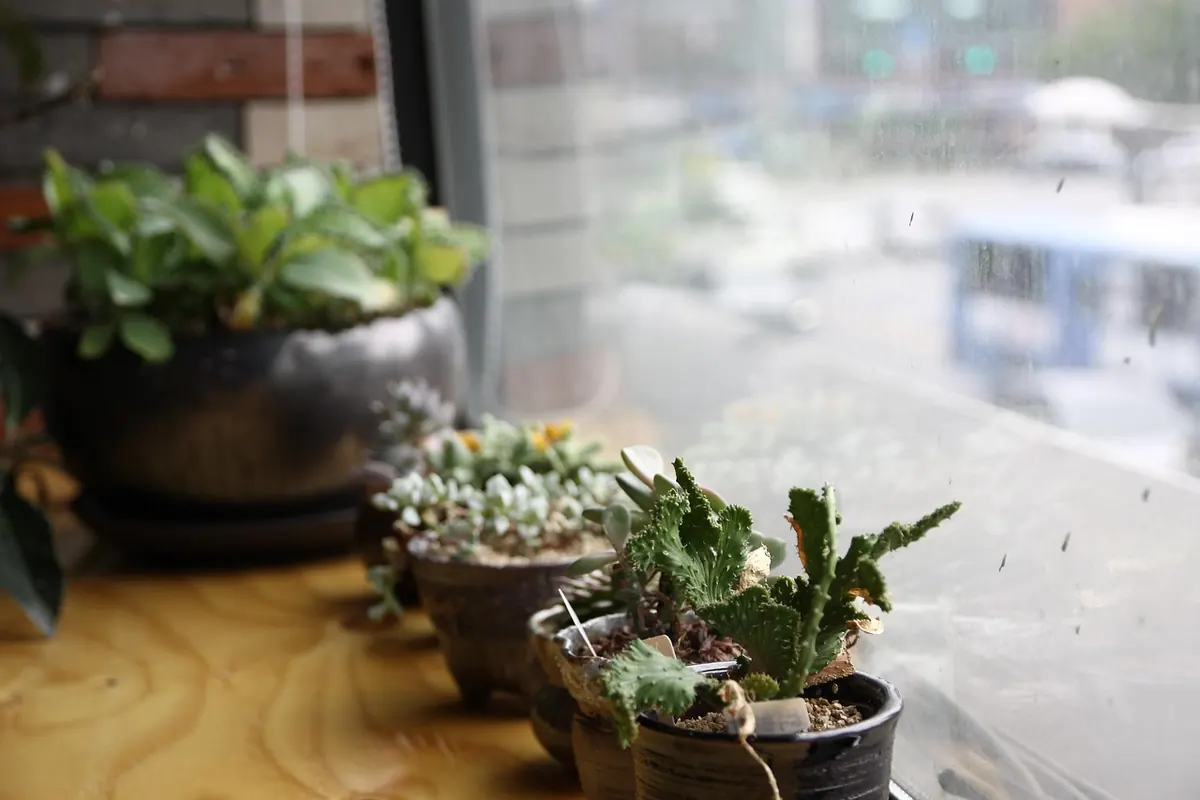
Placement works too. A night on a quartz cluster, amethyst bed or geode is enough, as is a night tucked into a plant pot and retrieved the next morning.
Finish by holding the piece and setting a clear intention for the month ahead. Keep it plain and specific: calm on the commute, steady focus while I write, patience with my family. Say it aloud, or write it down if you keep a notebook. Vague wishes fade faster than clear ones.
Store it with the same care
Most damage happens in the drawer, not on your wrist. Store pieces separately — pouches, a lined box with compartments, or small cotton bags — so nothing scratches anything else. Keep fading stones out of direct sunlight, and keep jewellery well away from keys and loose change.
Check the hardware once a month while you have the piece in your hands. Tug the cord gently, look at the knot, and feel whether elastic has gone slack or brittle. Restring before it fails, not after. If a claw feels loose or a stone has chipped, a jeweller will fix it properly; home repairs rarely end well.
Your monthly ritual at a glance
- Sort pieces into water-safe and keep-dry.
- Clean with lukewarm water and mild soap, or buff dry.
- Cleanse by sound, smoke, moonlight or dry salt.
- Recharge in moonlight, on a cluster, or in a plant pot.
- Set one clear intention for the month.
- Store separately, and check cords and settings.
That is the whole practice: twenty minutes, once a month, with a bowl of water, a soft brush and a window ledge. Do it on the same date each month and it becomes a habit rather than a chore — and your jewellery will look better for it.
One sensible note on skin: if a metal or stone leaves your skin red, itchy or sore, take the piece off and ask a pharmacist or GP for advice before wearing it again.
Photo: Content Pixie / Pexels