8 Spiritual Home Decor Ideas to Create a Calm, Grounded Space
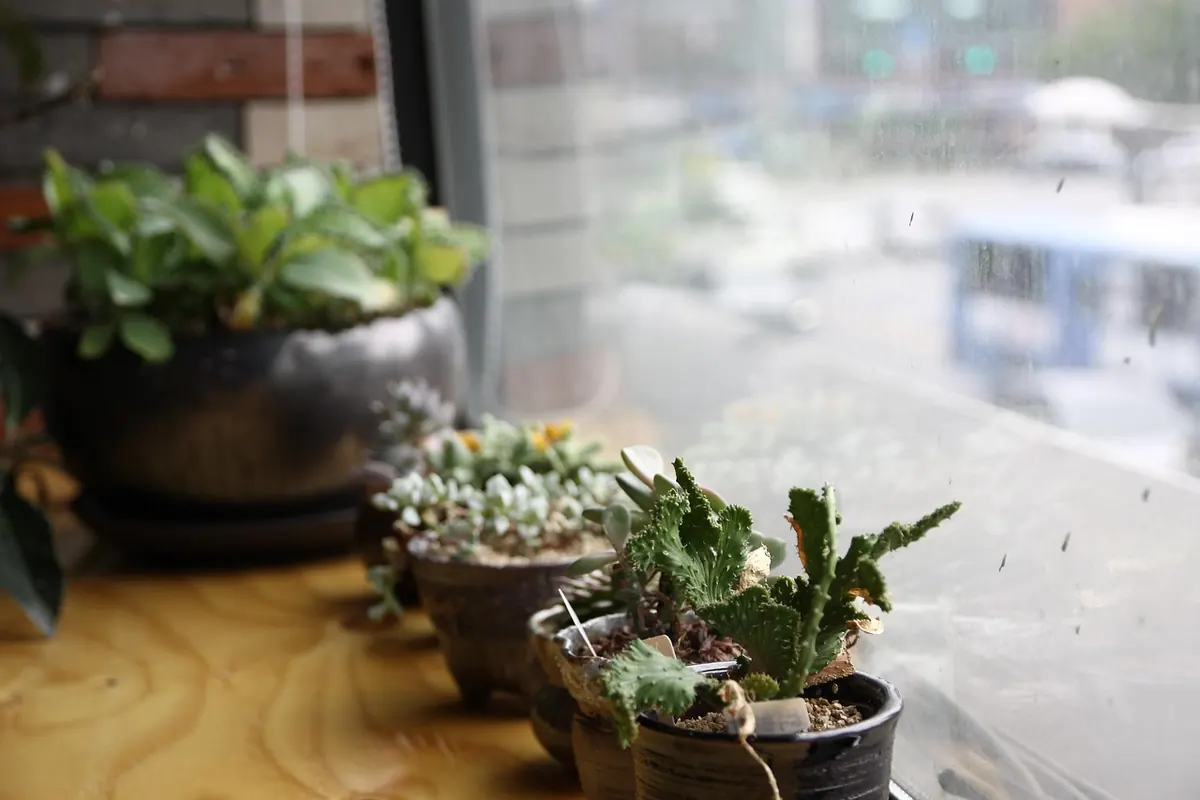
You can learn a lot about a room by the way you breathe in it. Some spaces make you drop your shoulders without thinking. Others leave you faintly on edge, though you couldn't say why. The difference is rarely the size of the room or the price of the sofa. It comes down to a handful of quiet decisions: what your hands touch, what you can smell, where the light falls, and whether the objects around you actually mean something. None of it needs a full redecoration. Most of it can be done in an afternoon with things you already own.
Start with what your hands touch
Texture shifts the mood of a room faster than colour does, because the body reads it before the eye gets a chance. Wool, linen, jute, unglazed ceramic, aged wood: these materials signal warmth and slowness. Gloss and chrome tend to say something else entirely.
Contrast does more work than any single material. Put something rough next to something smooth — a chunky knitted throw over a plain cotton sofa, a hammered metal tray on an oak table — and the corner comes alive.
- Swap one shiny surface for a matte one: ceramic instead of glass, wood instead of lacquer.
- Add something with weight. Heavy objects feel grounding; flimsy ones feel restless.
- Keep a throw within arm's reach of wherever you usually sit, not folded in a cupboard.
If you buy nothing else, buy a rug. Bare floorboards underfoot keep the body slightly braced all evening, and a thick rug changes that in one move.
Let scent do the quiet work
Walk into a room and the first thing you register is often the smell of it, before your eyes have adjusted. Scent travels a short, fast route to memory, which is why a familiar blend can settle you in seconds.
Choose two, and no more: one for daytime, one for evening. Daytime might be rosemary, cedar or something citrus. Evening suits frankincense, lavender or sandalwood. Rotate them with the seasons if you like, but don't layer four different candles in one room.
How you scent the space matters less than how lightly you do it. A candle, a diffuser, a single incense stick, or a pan of water with orange peel and cloves left to simmer on a low hob all work. The rule is simple: a scent should be discovered, not announced. If you can smell it from the doorway, it's too much.
Ventilate daily. Ten minutes with a window open clears stale air, and stale air plus heavy fragrance is an oppressive combination. If you have pets, asthma or allergies, check with a vet or GP before diffusing essential oils, and never leave a candle burning unattended.
Bring in something that is alive
Plants do something furniture cannot: they change, slowly, in front of you. Watering a plant is a small act of attention, and attention is most of what grounding actually is. One plant that thrives will do more for a room than six that are quietly dying.
Choose by light rather than by looks. Dim corners and north-facing rooms suit snake plants, ZZ plants and pothos. A bright windowsill will keep rosemary, thyme or mint happy, and gives you something to use in the kitchen.
Give plant care a fixed slot in the week — Sunday morning, say, or whenever you make a pot of tea. Water what needs it, turn the pots a quarter turn, wipe dusty leaves with a damp cloth. Ten minutes, once a week, and the ritual becomes as useful as the plants themselves.
If houseplants die on you, don't force it. Dried eucalyptus in a tall vase, a few bare branches, or a shallow bowl of stones from a walk will give you the same natural anchor with none of the maintenance.
Layer your lighting
A single overhead bulb flattens a room. It gives you no shadows, no warmth, nowhere for the eye to rest, and it tells your body it's time to be efficient. That is the opposite of what you want after dark.
Aim for three light sources at different heights: a floor lamp, a table lamp, a candle on a low surface. Keep lampshades below eye level when you're seated so the light falls on the room rather than into your face, and choose warm white bulbs rather than cool ones. Dimmers help if you have them; if not, a second small lamp does the same job.
A simple dusk routine
At sunset, switch off the ceiling light. Turn on two lamps. Light one candle. Do this for a fortnight and the ritual starts to work on its own, marking the end of the working day whether or not you feel finished with it.
Keep candles away from curtains, books and draughts, and don't leave them burning when you leave the room. If you have cats, children or a short attention span, battery candles give you the flicker without the worry.
Keep a shelf of things that mean something
Trend-led decor dates quickly, and there is a particular hollowness to a room full of things you chose because someone else said they looked good. A small collection of objects with a story never goes stale.
- Choose one surface at eye level: a shelf, a windowsill, a corner of a desk.
- Gather five to seven things you'd rescue from the house if you could: a stone from a particular beach, a card someone wrote you, a bowl that belonged to your grandmother.
- Hold each one. If it gives you nothing, put it away. Sentiment and obligation are not the same feeling.
- Arrange them with gaps. Space around an object tells the eye it matters.
- Swap a piece or two each season so the shelf stays alive rather than fixed.
Dust it weekly. A collection like this is meant to be handled and noticed, and a neglected one soon reads as storage.
Leave some quiet in the room
Grounding isn't only about what you add. An empty stretch of wall, a bare tabletop, a clear square of floor — these give the eye somewhere to land. Rooms that feel calm are usually a little emptier than we expect.
Try one-in-one-out: for every new object that comes in, something leaves. Start at the threshold, the first metre inside your front door. Clear the shoes, bags and unopened post, and notice how differently you arrive home.
A space that meets you
You don't have to do all of this. Pick one thing this week — move a lamp, swap a cushion, clear a single surface, light a candle at dusk. Live with it for a few days. Add the next thing when you're ready.
A calm home isn't decorated once and finished. It's adjusted, season by season, in much the same way you adjust yourself. These changes are comforts rather than cures, though; if you're living with anxiety or low mood, they sit alongside proper support, not instead of it, so speak to your GP if you're struggling.
Photo: nextblow / Pixabay