Crystal Jewellery for Beginners: How to Choose, Cleanse and Wear Your Stones
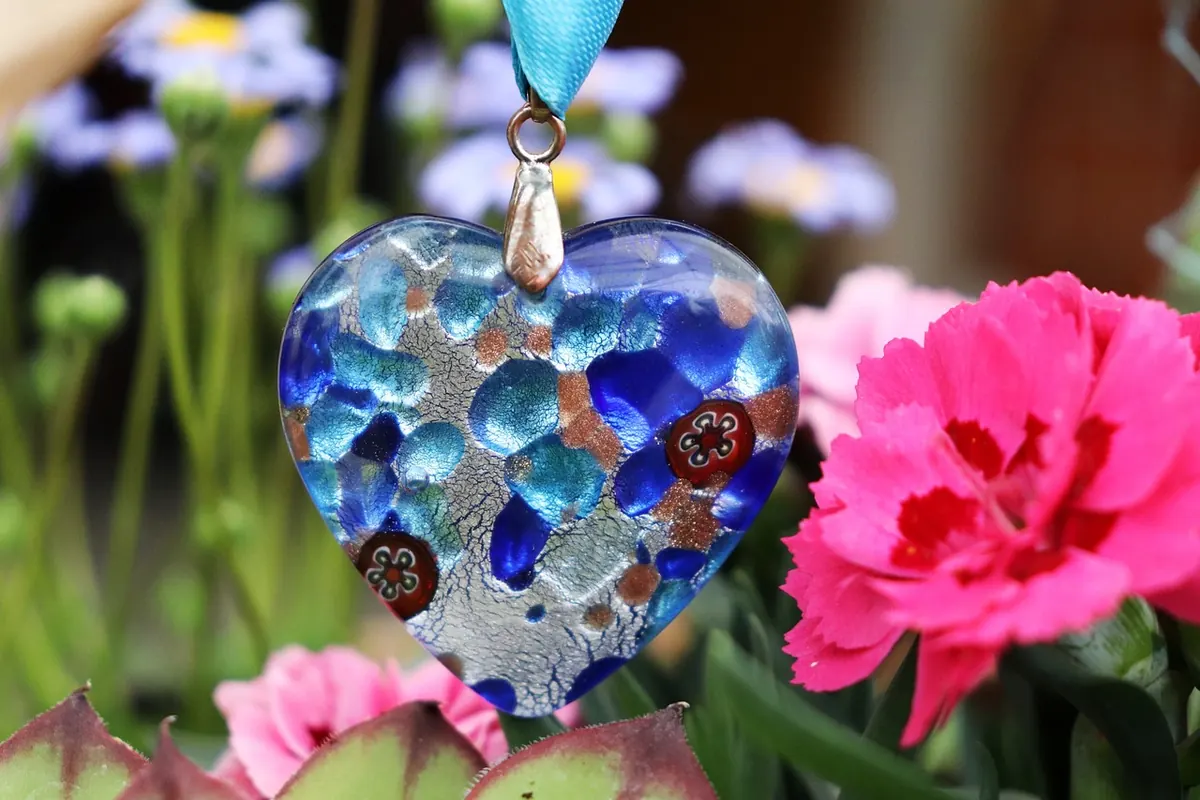
Crystal jewellery is one of the gentlest ways into working with stones. You put on a bracelet or a pendant and it simply comes with you — through the commute, the meeting, the school run. No altar, no strict ritual, no wrong way to start.
The difficulty is the choosing. Browse any market stall or online shop and you will meet dozens of polished beads in every colour, each with a claim attached. This guide keeps it manageable: pick by intention, cleanse in a way that fits your week, and wear the pieces you genuinely like.
Start with the intention, not the stone
Most beginners work backwards. They fall for a bracelet, buy it, then hunt for a reason to justify it. It works far better the other way round.
Ask yourself what you would like more of over the next month. Calm in the evenings? Steadiness before a difficult conversation? A little more confidence when you speak up? Write it down in one sentence. Vague intentions produce vague choices, and you end up with a drawer of stones you never wear.
Then match the stone to the feeling. There is no universal chart — different traditions assign different properties — but the shared associations are a useful starting point, and your own reaction to a stone matters just as much as anything written about it.
A simple starting point for common intentions
- Calm and steadiness: amethyst, lepidolite, smoky quartz
- Boundaries and protection: black tourmaline, obsidian, hematite
- Confidence and expression: citrine, carnelian, tiger's eye
- Love and connection: rose quartz, rhodonite, moonstone
- Clear thinking and focus: clear quartz, fluorite, sodalite
- Grounding and patience: moss agate, red jasper, green aventurine
If you keep returning to a stone that appears on nobody's list for your intention, trust that. Personal resonance tends to outlast theory. Wear it for a week and notice whether it feels settling or distracting. A piece that does not suit you now may suit a different season entirely, so nothing is wasted.
Cleansing your stones — the practical version
Cleansing is simply the habit of resetting a piece after it has been worn for a while. Think of it as clearing the cache rather than a ceremony you can get wrong. Most people cleanse when a stone starts to feel dull to them, after a heavy week, or before wearing something for the first time.
Two rules keep you out of trouble: know what your stone and your metal can tolerate, and do not overdo it.
Water and salt
A quick rinse is the easiest method, but not every stone appreciates it. Quartz-family stones such as clear quartz, amethyst and citrine are hard enough to cope. Softer or porous stones — selenite, malachite, moonstone, opal — can dull, crack or lose their polish. Salt is abrasive and can scratch a polished surface or eat into plated metal, so keep salt water away from coated jewellery and glued settings.
Smoke, sound and moonlight
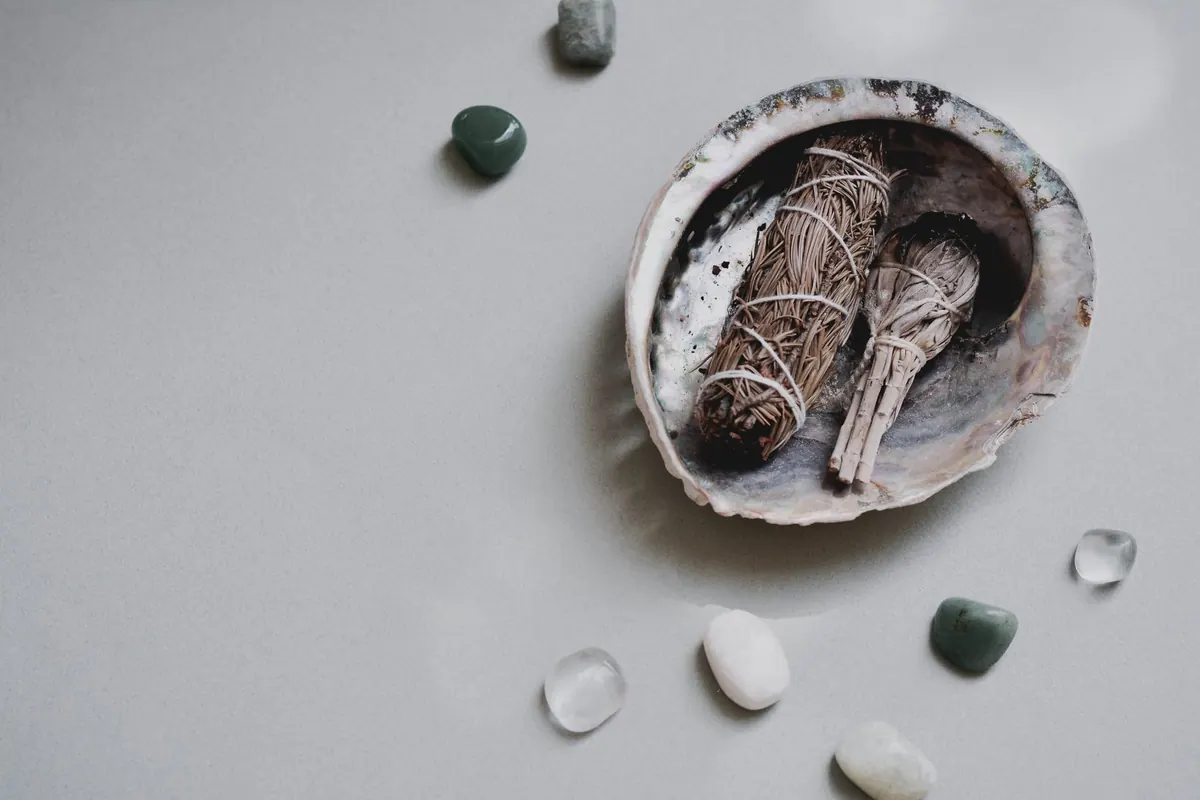
- Smoke: pass the piece through the smoke of dried rosemary, cedar or a smudge stick. Three or four slow passes is plenty.
- Sound: ring a singing bowl or a small bell beside the stone, or rest it near a speaker playing low tones for a minute.
- Moonlight: leave it on a windowsill overnight, ideally around a full moon. Gentle, free and safe for almost everything.
- Earth: settle it into a bowl of dry brown rice or the soil of a houseplant for a day, then wipe it clean.
Whichever you choose, do it with attention rather than on autopilot. One quiet minute beats an elaborate routine performed in a hurry.
How to wear crystal jewellery every day
This is where beginners usually trip up, and it is almost always by wearing too much at once.
Keep it to one or two pieces. A single bracelet, or a pendant that sits near your heart, is enough. Layering five stones means you stop noticing any of them.
Choose by day rather than by collection. If a difficult conversation is ahead, put on the piece that feels like armour. If you are winding down, swap to something softer. The ritual takes ten seconds and gives the jewellery a purpose.
Left or right wrist? A common idea holds that the left side receives and the right side projects. Treat it as a suggestion, not a rule. A practical compromise: wear bracelets on your non-dominant hand if you type or write a great deal, since they will be less in the way and will last longer.
Aim for close to the skin, but not tight. Beads should move slightly as you rotate your wrist. Elastic that digs in stretches, and clasps under constant pressure fail. If you work with your hands, take bracelets off for gardening, gym sessions and washing up.
Looking after the metal and the cord
The crystals get all the attention; the fittings do the quiet work. A little care keeps both going.
- Remove jewellery before showering, swimming and applying perfume or body lotion. Chlorine, salt water and cosmetics dull plating and speed up tarnishing.
- Wipe silver or gold vermeil with a soft dry cloth after wearing, then store it in a pouch away from direct sunlight.
- Check elastic bracelets every few months. If the cord looks frayed or the knot has loosened, restring it before it snaps somewhere inconvenient.
- Replace the cord or chain rather than the stone. Most pendants can be restrung inexpensively.
Where to begin this week
Pick one intention for the next thirty days. Choose a single stone that matches it, or one you keep coming back to. Cleanse it once, using moonlight or smoke if you are unsure what it will tolerate. Then wear it daily and notice what shifts — not in any dramatic sense, but in your mood, focus and how steady you feel.
At the end of the month, decide: keep wearing it, cleanse it and put it away, or pass it on. That loop — intention, wear, notice, decide — will teach you more than any list of properties.
Keep it in proportion, too. Crystal jewellery is a lovely, low-cost way to set a tone for your day and remind yourself what you are working on. It is not a substitute for medical care, therapy or financial advice. If something in your life needs proper support, speak to a qualified professional.
Photo: Van3ssa_ / Pixabay